


The transport insurance is one of the most complex in the insurance context. For this reason, and because of globalisation and the increasing volume of shipments, we believe it is important to know the essential elements that characterise the transport of goods and their insurance.
Basic concepts in freight transport
The owner (whoever is responsible for the goods at any given time), is responsible for the goods and is the one who assumes the consequences of its loss. This will be our maxim when it comes to transport insurance, since the owner, in the event of a claim with the goods, will be the beneficiary of the corresponding compensation.
In view of the internationalisation that has existed in transport since time immemorial, an international language was required that would to homogenise the language of freight transport. Thus, in 1936, the so-called “incoterms” were introduced to facilitate transport agreements. Thanks to them, rights and obligations are distributed and known throughout a shipment.
Incoterms, of course, are complemented by contracts that the parties sign and national and international law. Hence the complexity mentioned above.
There are several key figures in the shipment of goods, but we could indicate that the essential ones are:
- The charger: owner of the goods (manufacturer, distributor...).
- The carrier or carrier: assumes the assignment and obligation to carry the goods to the agreed destination.
Of course, between them and the addressee there can be many key players for more complex or international shipments: freight forwarders, customs brokers, consolidator, stevedore...
Factors influencing transport insurance
It will have a major impact on shipments and their insurance:
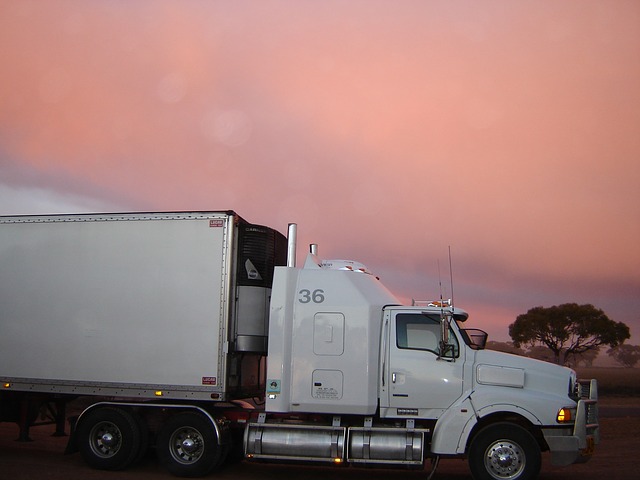
- The good to be transportedThe following information is essential: whether they are fragile or not, perishable, flammable, etc., as well as the state in which they are transported (refrigerated, heated, controlled atmosphere, natural, etc.) and their appropriate packaging, which is extremely important.
- The means of transport:
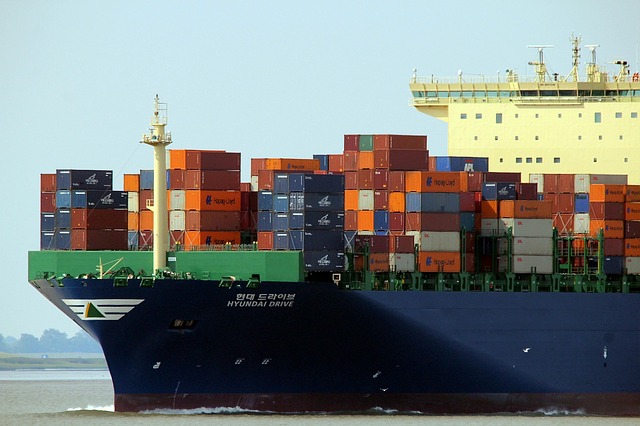
- its nature: terrestrial, maritime... and
- its quality: the professionalism of the company and, in the maritime environment, the proper maintenance of the ship (there are classification societies that assess the construction and condition of ships).
- The geographical scopeThe applicable legislation, as well as other risk factors such as climate, distance, socio-political situation... will determine the applicable legislation, as well as other risk factors such as climatology, distance, socio-political situation...
Types of freight insurance
Cargo liability insurance
It is the insurance mandatory by law for carriers. We will now look at the different types of insurance that exist, depending on the type of shipment/transport that is taking place:
- LOTTThe national land transport of goods is regulated. Compensation is paid up to a maximum of €6 per kilogram of goods.
- CMRConvention governing the international carriage of goods by road. In your case, the compensation is a maximum of 8.33 Special Drawing Rights per kg (just under 10 euros).
- And many more, depending on the type of shipment.
The problem with this civil liability insurance, which is the basic one, is that there is a serious prejudice to the shipper, who will receive compensation probably below the real value of his goods.
In addition, is only payable if there is liability on the part of the carrier.. In other words, there are many cases in which the goods are damaged and would be outside the scope of cover.
For this reason, these policies are often complemented by what are known as “damage insurance” policies, which increase these indemnities.
The damage insurance with extended covers
In this case, we are talking about the common practice in our country of carriers taking out insurance as depositaries of the goods they are transporting (such as added value). If this policy is not taken out, it would be subject to the limits of liability established by law and which we have seen in the previous section.
This insurance can also be taken out by the shipper himself (owner of the goods), who is the main interested party in being compensated for the actual value of the goods and not by weight if something happens.
This policy is much more complete The Commission considers that it covers only the carrier's “liability” for all this:
- If there is an accident to the vehicle and the carrier is not held liable, no compensation would be paid (whereas with this insurance it would).
- In case of atypical natural phenomena, the carrier is not liable (with damage insurance it would pay)
- In situations of strikers It's the same thing
- In the theft, the coverage is more extensive
- The insured value for the goods shall be that of the goods plus justified costs. In other words, much higher than the carrier's liability.
In the transport insurance it is no longer a question of the carrier's liability or not, but rather of the cover provided by the policy, i.e., which cases are covered.
We could distinguish three:
- Basic coverage insurance: fire, lightning, explosion and theft, as well as accidents to the vehicle itself that damage the goods.
- Insurance under broad Spanish conditions: in addition to the basic ones, it can cover breakages, wetting, poor stowage...
- English Clauses Insurance (ICC “A”)All Risks: like an All Risks with a few exclusions (malice, bad packaging, inherent vice...).
As we can see, these are insurances that require knowledge of fundamental issues in the insurance world. From PIB Group Iberia we will help you find the policy that best suits your budget and interests.